Container accommodation units
As modular housing solutions become increasingly popular, one question that often arises is how to maintain container accommodation units? These units are designed to be durable and functional, but like any living space, they require regular maintenance to ensure longevity, comfort, and safety. Proper upkeep can prevent structural damage, reduce repair costs, and provide a clean, healthy environment for occupants.
The first step in maintaining Container Accommodation Units is regular inspection of the structure. Since these units are made from steel, they are susceptible to corrosion and rust, especially if located in humid or coastal areas. Inspecting the exterior for signs of rust, dents, or paint peeling allows owners to address issues early. Touching up paint, applying anti-corrosion coatings, and repairing minor dents can significantly extend the life of the container and maintain its structural integrity.
Another important aspect of maintaining Container Accommodation Units is ensuring that the foundation and supports are stable. Over time, ground shifts or weather conditions can affect the levelness of the unit. Checking for signs of settling, uneven flooring, or cracks in the foundation helps prevent structural problems. Adjusting supports or re-leveling the container when necessary maintains stability, prevents water accumulation under the unit, and reduces the risk of long-term damage.
Insulation and ventilation systems are critical components in Container Accommodation Units that require routine care. Metal containers can experience temperature extremes, so proper insulation is essential for comfort. Checking insulation for damage, moisture intrusion, or degradation ensures that the unit remains energy-efficient. Ventilation systems, including windows, vents, and fans, should be inspected and cleaned regularly to prevent condensation, mold growth, and poor air circulation, which can negatively affect indoor air quality.
Plumbing and electrical systems are another key area in maintaining Container Accommodation Units. Regular checks for leaks, blockages, or corrosion in water lines, as well as testing electrical outlets, wiring, and lighting, are necessary to avoid safety hazards. Preventive maintenance, such as replacing worn-out components or cleaning drainage systems, helps ensure that the unit remains fully functional and reduces the likelihood of costly emergency repairs.
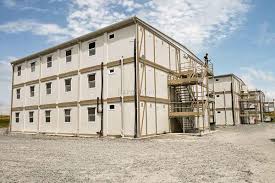
How to maintain container accommodation units?
Interior maintenance is equally important for Container Accommodation Units. Floors, walls, and ceilings should be inspected for wear and tear, especially in high-traffic areas. Minor scratches or scuffs can be repaired, and damaged panels or fixtures replaced. Regular cleaning of interior surfaces, including kitchens, bathrooms, and common areas, keeps the unit hygienic and reduces the buildup of dirt, grime, and bacteria, contributing to a comfortable living environment for residents.
Roof and exterior care is crucial in maintaining Container Accommodation Units, particularly in areas with heavy rainfall or snowfall. Checking for leaks, debris accumulation, or damage to roofing materials helps prevent water ingress, which can lead to rust and structural deterioration. Cleaning gutters, ensuring proper drainage, and resealing any compromised areas ensures that the container remains weatherproof and protected from environmental stressors.
Preventive maintenance for Container Accommodation Units also includes monitoring for pests. Steel containers can still experience pest issues around doors, windows, or utility entry points. Regular inspection for signs of insects, rodents, or other pests allows for timely intervention. Sealing gaps, installing screens, and using environmentally safe pest control measures can prevent infestations and protect both the structure and its occupants.
Documentation and scheduled maintenance routines are key strategies in maintaining Container Accommodation Units. Keeping records of inspections, repairs, and replacements allows managers to track the unit’s condition over time. Establishing a regular maintenance schedule ensures that all aspects of the unit—structural, electrical, plumbing, and interior—are checked and serviced consistently. This proactive approach reduces unexpected breakdowns and extends the lifespan of the accommodation units.
Training occupants or staff in basic care practices is another effective measure for maintaining Container Accommodation Units. Encouraging proper use of utilities, avoiding unnecessary damage to walls and fixtures, and promptly reporting issues ensures that minor problems are addressed before they escalate. Occupants who understand the importance of maintenance contribute significantly to the overall upkeep and longevity of the units.
In conclusion, knowing how to maintain container accommodation units is essential for anyone managing or living in modular housing solutions. By focusing on structural inspections, foundation stability, insulation and ventilation, plumbing and electrical systems, interior and exterior upkeep, pest control, and scheduled preventive maintenance, these units can remain safe, functional, and comfortable for years. Regular care not only protects the investment but also ensures a high standard of living for occupants. With diligent maintenance practices, container accommodation units can continue to provide an efficient, flexible, and reliable housing solution in a variety of environments.
